Revelstoke Railway Museum Website Usability Enhancement
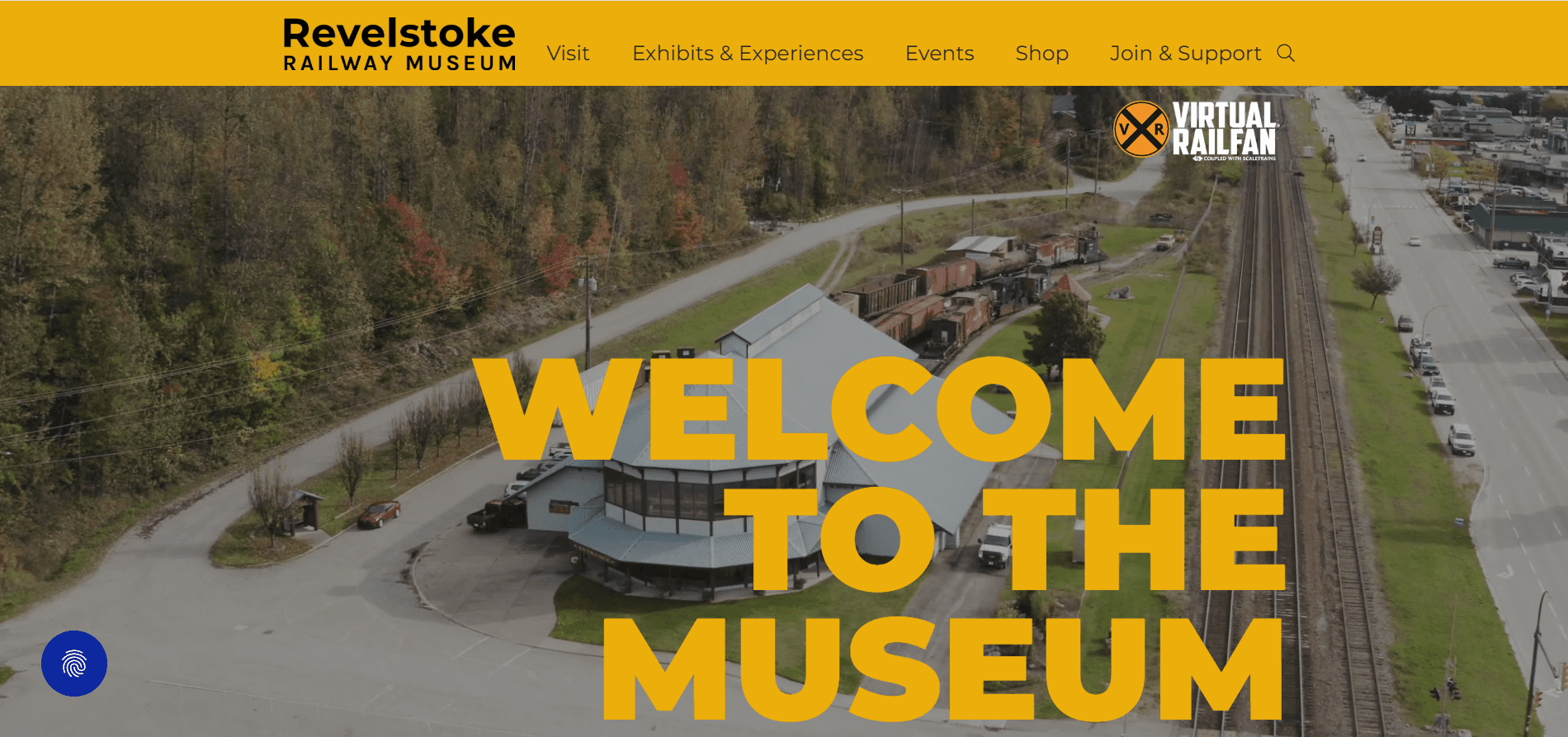
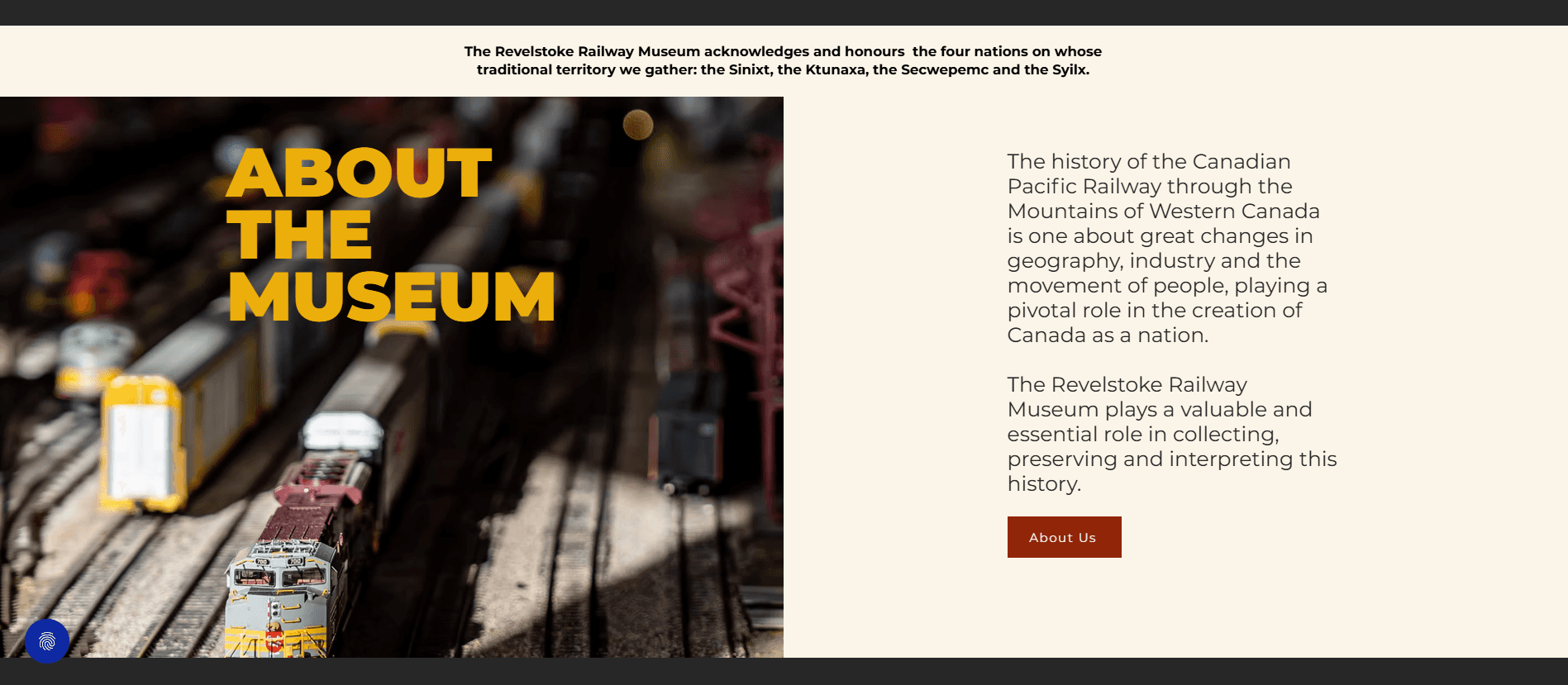
The Revelstoke website redesign focused on improving the usability of the Revelstoke Railway Museum’s website by identifying navigation and information-architecture issues that made it difficult for users to plan their visit. The goal was to create a clearer, more intuitive experience that allows users to quickly access essential information and explore museum content with ease.
Project Images:
Project for:
Revelstoke Railway - Website Usability Enhancement
Revelstoke Railway Museum Website Usability Enhancement
Project Overview
This project focused on improving the usability of the Revelstoke Railway Museum website to help users more easily find information, plan visits, and navigate the site. The goal was to identify usability issues and redesign key elements of the experience to create a clearer, more intuitive interface.
The Problem
Users struggled to quickly locate essential information such as hours, ticket details, and exhibit content. The website’s navigation and information hierarchy were unclear, which created friction and made the planning experience feel confusing and inefficient.
My Role & Scope
Role: UX/UI Designer
Tools: Figma, Wix, Google Analytics
Timeline: 8 weeks
Team: solo project
I was responsible for conducting usability analysis, identifying pain points, designing improved user flows, and creating high-fidelity interface designs.
Research & Insights
To better understand usability challenges, I conducted a heuristic evaluation and reviewed comparable museum websites to identify best practices. I also analyzed common user tasks to determine where friction occurred.
Key Insights:
Users needed faster access to key visit-planning information
Navigation lacked clarity and prioritization
Important actions were not visually emphasized
These findings informed the redesign strategy.
Design Process
I began by restructuring the site’s information architecture to prioritize the most important user tasks. Low-fidelity wireframes were created to explore navigation improvements and content hierarchy.
Through iteration, I refined layouts, simplified navigation labels, and improved spacing and hierarchy to reduce cognitive load. Design decisions were made to ensure users could quickly scan pages and locate relevant information.
Final Solution
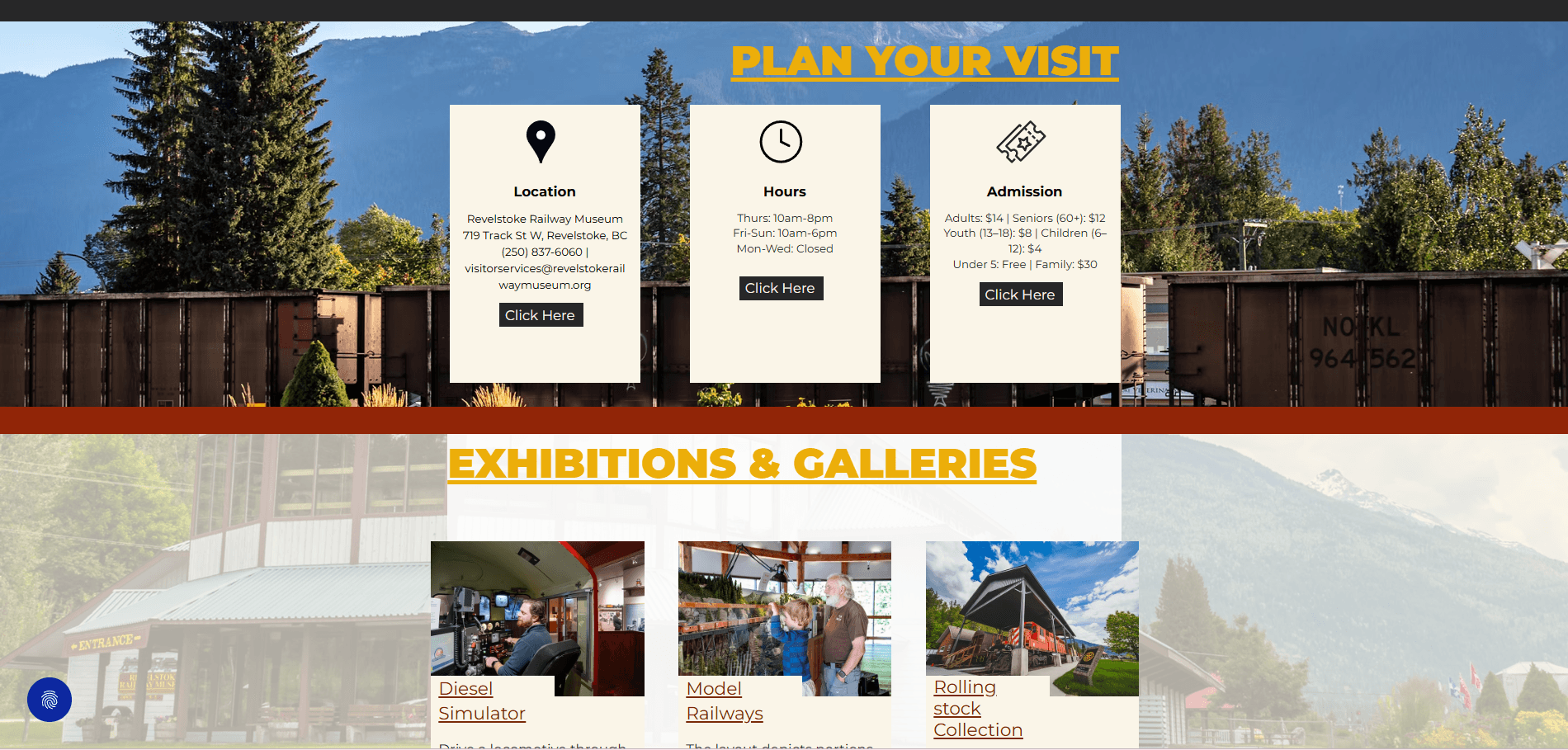
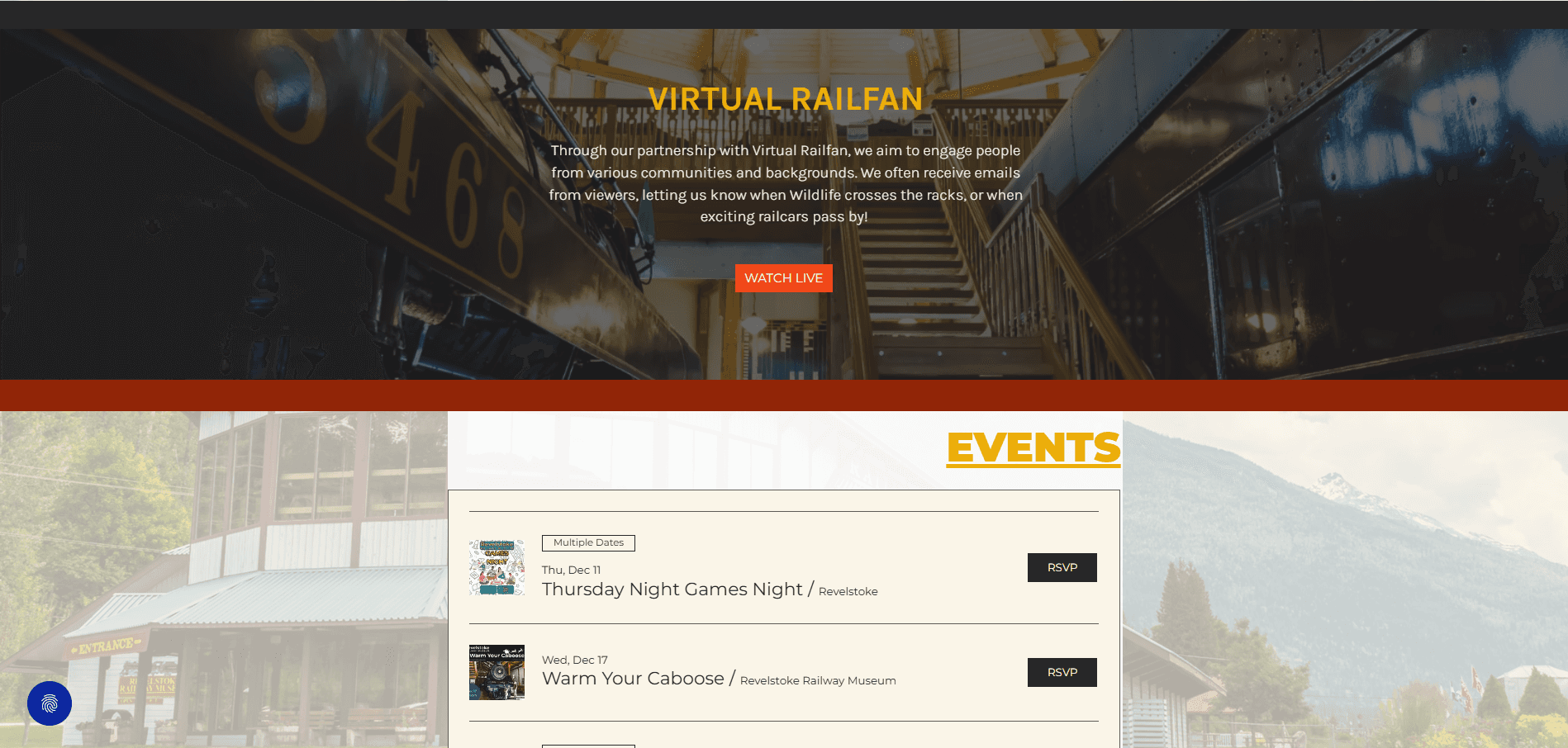
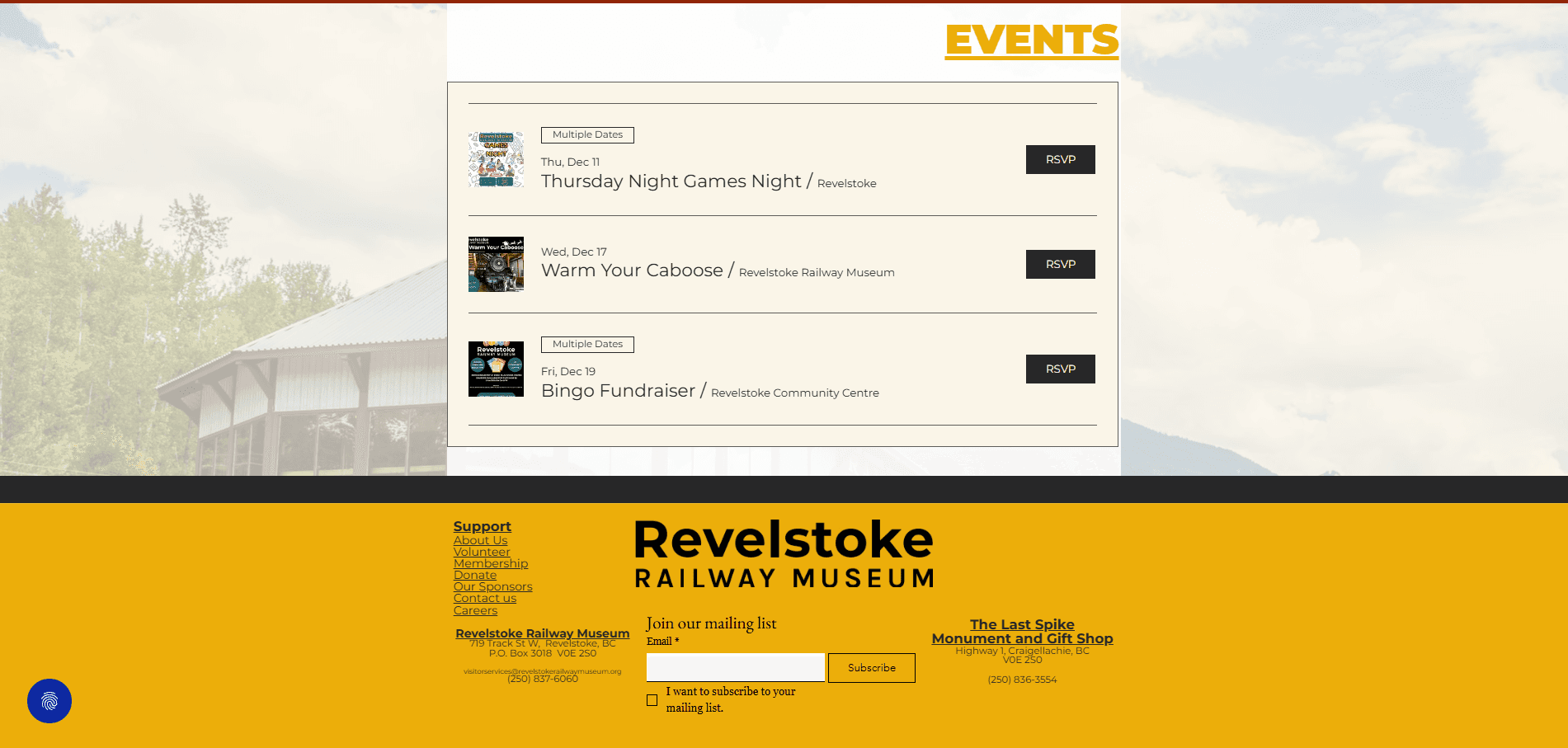
The redesigned website presents a clearer structure with improved navigation and visual hierarchy. Key information such as hours, ticketing, and exhibits is more prominent, making it easier for users to plan their visit and explore the museum’s offerings.
Outcome & Reflection
This project strengthened my understanding of usability principles and information architecture. It reinforced the importance of designing with user goals in mind and prioritizing clarity in content-heavy experiences. With additional time, further usability testing could help validate and refine the improvements.