DIALY: A Human-Centered Diabetes Management App
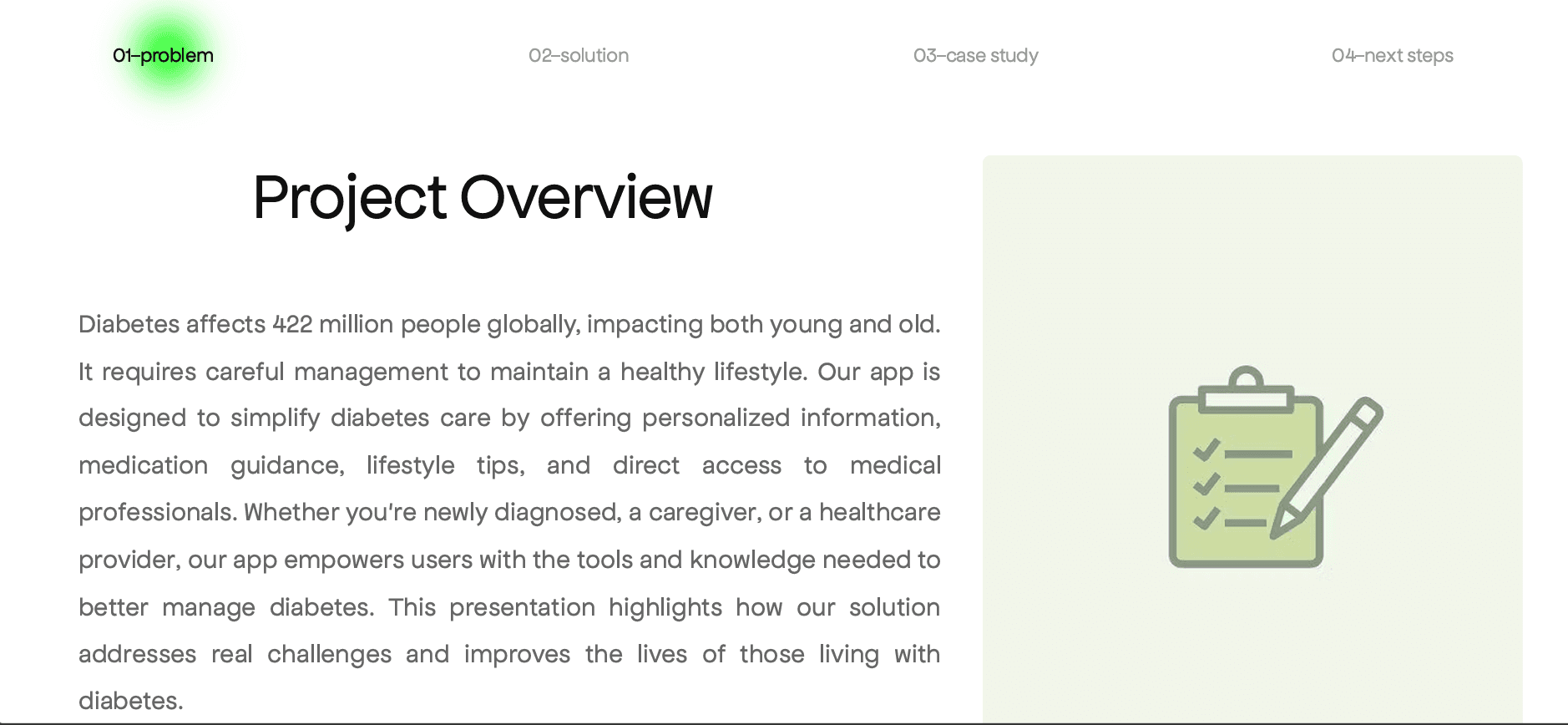
DIALY is a mobile diabetes management tool designed to help users track routines, maintain consistency, and stay engaged with their daily health habits. This project focused on creating a clear, low-friction experience that supports users in managing diabetes without feeling overwhelmed.
Project Images:
Project for:
DIALY
DIALY: A Human-Centered Diabetes Management App
The Problem
Managing diabetes requires consistent daily actions, such as tracking habits, monitoring routines, and staying engaged over time. Many existing tools feel complex or overwhelming, which can discourage regular use and make daily management harder rather than easier.
My Role & Scope
Role: UX/UI Designer
Tools: Figma, Miro, Google Analytics
Timeline: 6 weeks
Team: Solo project
I led the end-to-end design process, including research, ideation, wireframing, iteration, and high-fidelity UI design.
Research & Insights
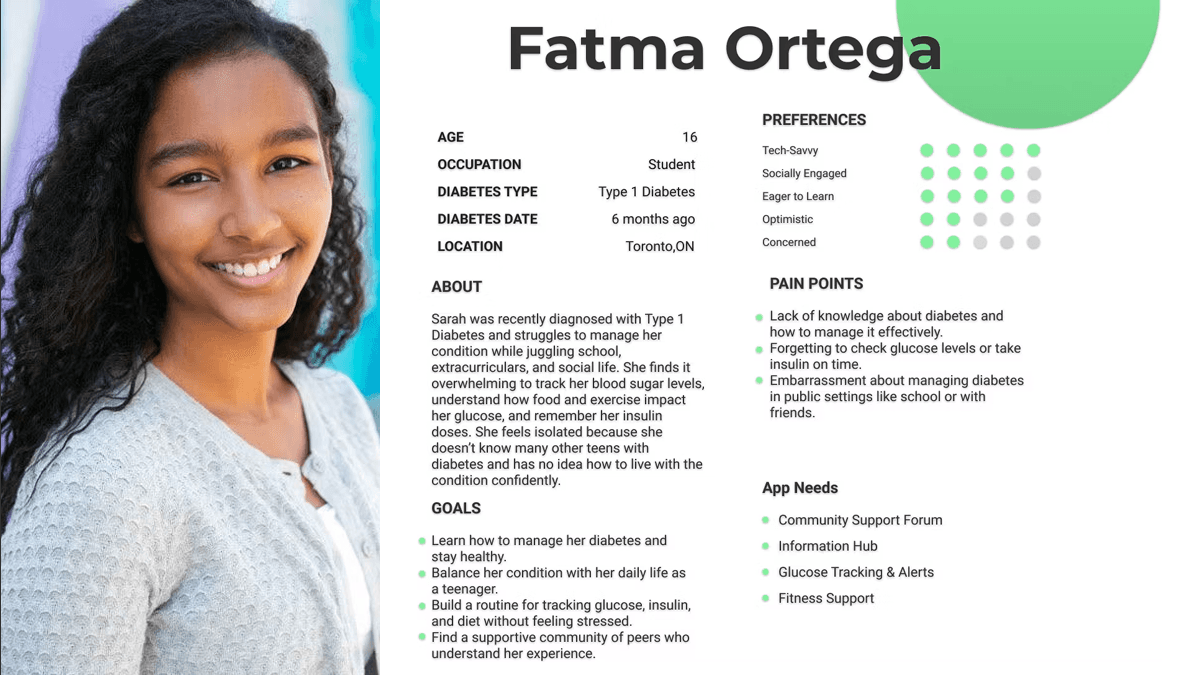
To better understand user needs, I reviewed existing diabetes management and health-tracking applications and identified common usability challenges. I focused on how interface complexity, visual overload, and interaction effort affect daily engagement.
Key Insights:
Users benefit from simple, repeatable daily interactions
Clear visual feedback helps reinforce healthy routines
Minimal, calm interfaces reduce stress and support long-term use
These insights guided the overall design approach.
Design Process
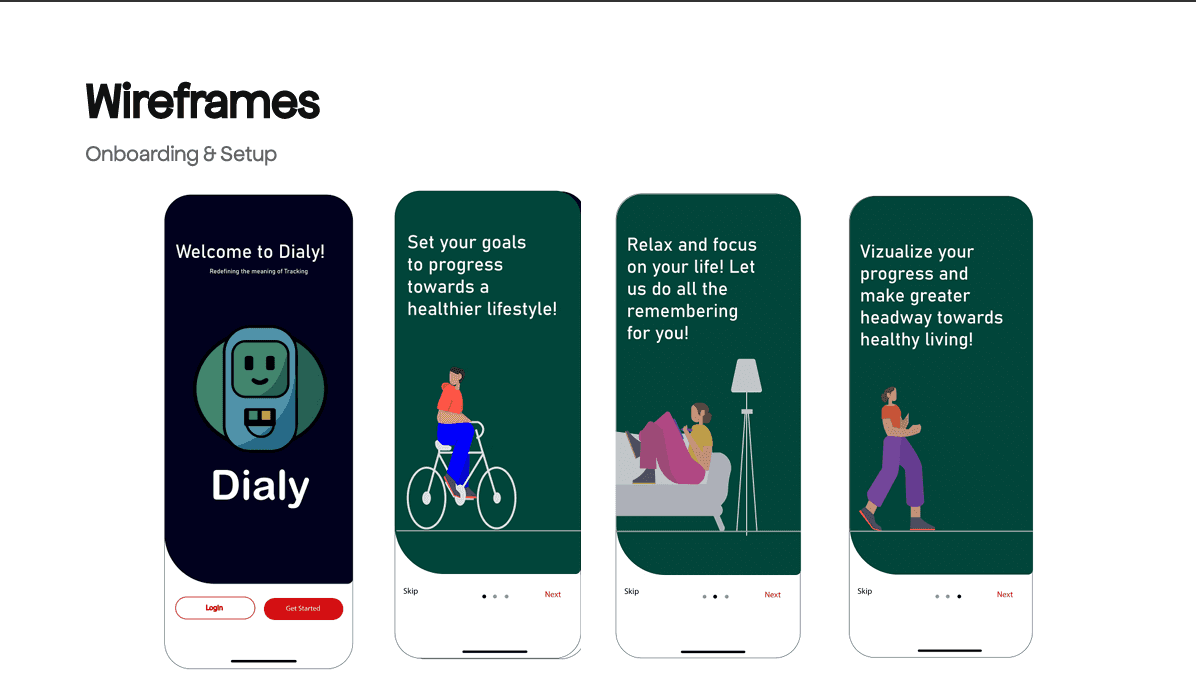
I began by mapping user flows that reflect daily diabetes management routines. Low-fidelity wireframes were created to explore layouts that prioritize essential actions and reduce unnecessary steps.
Through iteration, I refined the interface to improve clarity, hierarchy, and ease of use. Design decisions focused on minimizing friction, emphasizing key actions, and creating an experience that feels supportive rather than overwhelming.
Final Solution
The final design presents a clean, accessible interface that supports daily diabetes management through clear navigation, intentional hierarchy, and low-effort interactions. The experience encourages consistency while keeping the focus on essential information and actions.
Outcome & Reflection
This project reinforced the importance of designing with empathy, particularly in health-related contexts where clarity and simplicity are critical. It strengthened my ability to design supportive, user-centred experiences that balance functionality with emotional consideration. With additional time, further usability testing could help validate and refine the design.